Proof of Human
For the past year I’ve watched the internet fill up with AI slop. Instagram is overrun with synthetic fashion models posing in plausible apartments. YouTube is full of auto-generated videos with auto-generated voiceovers narrating auto-generated facts. Reviews, threads, profile photos, comment sections — produced faster than any number of humans could ever produce them, and most of it indistinguishable, at a glance, from the real thing.
Are you sure the author of this post — Vitalii Rudnykh — is a real human? Does he exist as a real person at all?
The cost of generating a convincing fake person dropped to zero. A model can write a comment, run an account, file a review, hold a conversation, build a relationship. Multiply that by a server farm and the human-to-text ratio of the internet quietly tips below one.
The defenses we built for moments like this are already stale. CAPTCHA worked by exploiting a perceptual gap in computer vision: warped letters and grainy traffic-light photos that humans parsed in milliseconds while machines floundered. That gap closed years ago — today AI passes the tests more reliably than we do. SMS verification fell to phone-number farms. KYC and “selfie with passport” liveness checks are bending under deepfaked video and AI-generated documents. Each of these layers was built in a moment when faking the layer was hard, and each one aged the instant that stopped being true.
The scarce thing online, now, is evidence. Evidence that the post you’re reading was written by someone with a body. Evidence that the five-star review came from a person who slept and ate and used the product. Evidence that the voter, the applicant, the friend on the other end of the chat is one of us.
Whatever solves this — biometrics, hardware attestation, social graphs, government IDs, on-chain credentials — will demand something we used to refuse to give: a permanent, one-per-person link between your online presence and your physical body.
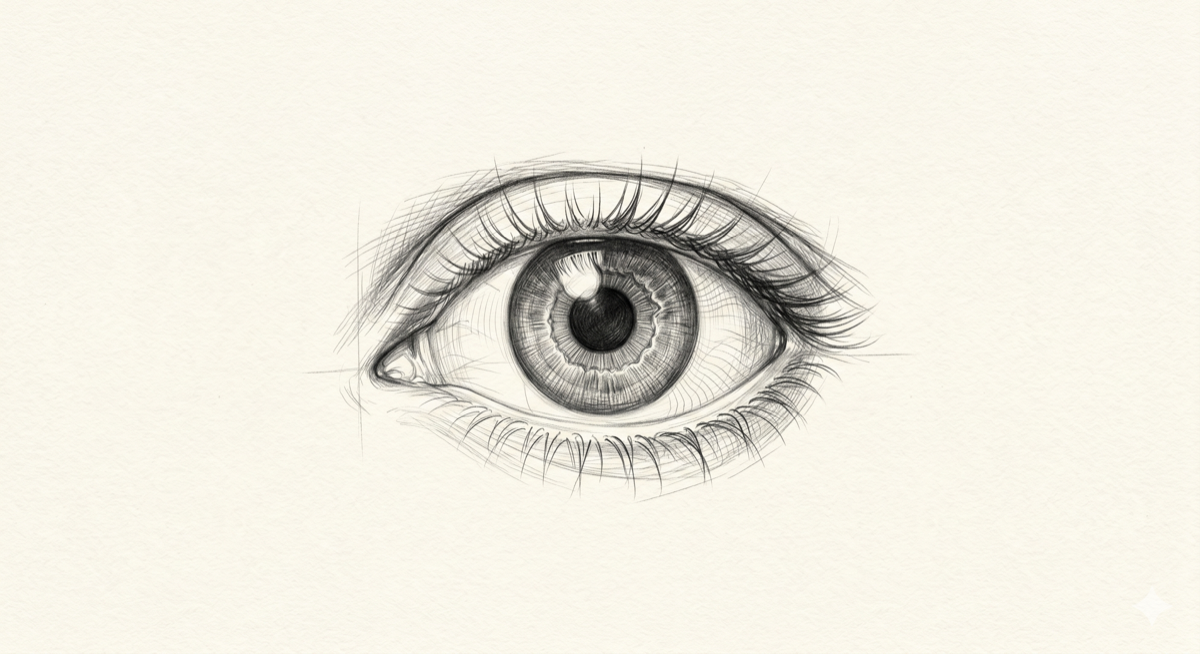
Workable answers are already being built — iris biometrics wrapped in zero-knowledge cryptography, with a single self-custodied credential per person that proves that you’re a unique human without revealing which one. If this topic interests you at all, you probably already know which project I’m talking about.
The cost of producing a convincing human dropped to zero, and the rest of the internet quietly bends around that one fact. Whether being human needs to be proved is no longer the question — that part is already happening. What’s left are the political questions: who gets to issue the proof, who gets to accept it, and what it costs the people who carry one.